Delivery apps kept the F&B industry alive during the pandemic, and today, they are a non-negotiable revenue stream. But if you walk into the average busy cafe or restaurant in Malaysia, you will hear a familiar, stressful symphony: the simultaneous ringing of the GrabFood tablet, the Foodpanda tablet, and the main Point of Sale (POS) system.
We call this “Tablet Hell.”
While being on multiple delivery platforms is great for your top-line revenue, managing them manually is quietly destroying your operational efficiency. Here is why the multi-tablet juggle is costing you money, and how upgrading to an integrated POS like BestWeb solves it instantly.
1. The “Double Entry” Danger
In a traditional setup, when a Foodpanda order rings, your cashier has to read the tablet and manually punch that exact order into your main POS system so the kitchen gets a ticket and the inventory is deducted. During a Friday night rush, this is a disaster waiting to happen. Cashiers make typos, special requests (“no mayo”) get ignored, and the customer ends up receiving the wrong meal.
The Fix: Direct POS Injection. BestWeb natively integrates with major delivery platforms. When an online order is placed, it bypasses the secondary tablets and flows directly into your BestWeb POS and Kitchen Display System (KDS). No manual punching, zero double-entry, and completely error-free order processing.
2. The Menu Syncing Nightmare
Say you run out of avocados at 1:00 PM. In a fragmented system, your manager has to rush to the main POS to mark it out of stock, then log into the Grab merchant app to disable it, and then log into the Foodpanda portal to do the same. If they forget even one platform, a customer will order an item you can’t deliver, resulting in cancelled orders and algorithmic penalties.
The Fix: Centralized Menu Management. BestWeb acts as your single source of truth. If you update a price, launch a new promo, or mark an item as “sold out” on your BestWeb dashboard, that change is instantly pushed to all your connected delivery platforms with a single click.
3. Kitchen Prioritization Chaos
When your kitchen is receiving handwritten tickets from the front counter and printed receipts from three different delivery tablets, there is no master queue. Chefs don’t know whether to prioritize the dine-in customer at Table 4 or the Grab driver who has been waiting for ten minutes. This leads to cold food, angry drivers, and bad reviews.
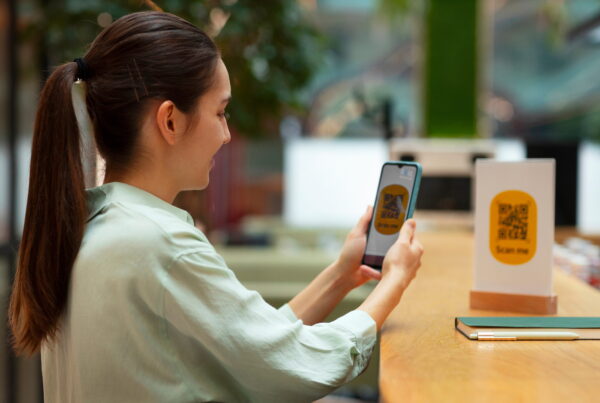
The Fix: Unified Kitchen Routing. BestWeb channels every single order—whether it’s from a dine-in QR code, the front counter, or a delivery app—into one streamlined digital queue. The system automatically categorizes and color-codes orders by source and wait time, telling your kitchen exactly what to cook next to maintain perfect timing.
4. Financial Reporting Blind Spots
At the end of the month, figuring out your actual profit is a massive headache. You have to download Excel reports from your POS, Grab, and Foodpanda, cross-reference the different commission rates, and manually stitch the data together. It takes hours of administrative work just to answer a simple question: “How much money did we make today?”
The Fix: Consolidated Analytics. Because all transactions flow through BestWeb, your financial reporting is automated. Your dashboard shows you a complete pie chart of your daily revenue, broken down perfectly by channel (Dine-in vs. Takeaway vs. Delivery Apps). You can instantly see which platform is your most profitable, allowing you to make fast, data-driven marketing decisions.
Escape Tablet Hell Today
Your front-of-house staff should be focusing on providing great hospitality to the customers standing in front of them, not playing data-entry clerks for delivery tablets.
By centralizing your delivery and dine-in operations, you reduce wait times, eliminate missing orders, and protect your profit margins.
Ready to streamline your kitchen? Book a Free Demo with our BestWeb Experts Today and see our delivery integrations in action.